


When choosing decorative and wearable fur materials, most manufacturers and designers only focus on surface softness and appearance effect, ignoring hidden quality problems that affect service life, environmental compliance and later processing difficulty. Many low-imitation artificial fur materials have obvious color difference after washing, easy hair falling, poor wind resistance and unstable thermal insulation performance, which directly lead to high defective rate of finished products and increased after-sales maintenance costs. A large number of downstream enterprises have been troubled by unstable supply quality, non-standard fabric specifications and unreasonable thickness matching for a long time, but few professional articles analyze the core pain points and practical selection standards in depth. Choosing qualified artificial mink fur fabric with stable physical properties can thoroughly solve most long-term troubles in production, processing and finished product application. Cooperating with professional fur fabric suppliers like Crown Fur can effectively avoid risks caused by material heterogeneity, unqualified indicators and incomplete parameter matching.
The biggest underlying problem ignored by buyers is the difference in fiber density and pile structure. Natural animal fur has irregular fiber arrangement, uneven warmth retention and uncontrollable batch differences, while inferior synthetic fur uses sparse fiber weaving, resulting in thin texture, easy light transmission and poor three-dimensional shaping effect. In cold outdoor clothing, plush blankets, shoe lining accessories and high-end toy ornaments, loose pile structures will quickly collapse after friction and extrusion, losing fluffy and elegant visual effects. Long-term contact will also cause serious hair shedding, polluting clothes, skin and surrounding environments. The professionally optimized fiber structure of high-grade artificial mink fur fundamentally avoids these inherent defects, maintains long-lasting fluffy state under frequent bending, washing and daily friction, and keeps consistent appearance and hand feel in large-batch mass production.
Washing resistance and color fastness are hidden quality indicators that directly determine the practical value of fur fabrics. Many cheap imitation fur products look smooth and beautiful when leaving the factory, but fade seriously after mild water washing, shrink obviously after drying, and produce peculiar smell after damp storage. For clothing, bedding and daily consumer goods that need frequent cleaning, these defects will greatly shorten the service cycle of finished products and damage brand reputation. Conventional detection only stays on simple visual inspection, without testing friction color fastness, water washing fastness, sunlight aging resistance and low-temperature anti-hardening performance. Excellent artificial mink fur raw materials pass multi-layer dye fixing and aging treatment, maintain stable color performance under long-time sunlight exposure and repeated cleaning, and will not harden, crack or deform in low-temperature cold environments.
Environmental protection and safety standards have become rigid requirements for cross-border sales and domestic high-end market access. Natural fur involves animal protection issues, complicated quarantine procedures, high customs inspection risks and unpredictable infectious residue problems, which are gradually restricted by global trade policies. Ordinary chemical fiber fur contains excessive harmful additives, formaldehyde and irritating substances, failing infant clothing, household soft decorations and close-fitting product certification. The environmentally friendly dyed artificial mink fur produced in strict accordance with international textile safety standards has no harmful residue, no peculiar chemical smell, low VOC emission, and fully meets export environmental protection inspection requirements. It can be safely used in baby accessories, pet supplies, indoor cushions and high-end fashion apparel without causing skin irritation or environmental pollution.
Processing adaptability determines whether fur fabrics can match diversified production processes. A large number of buyers only compare unit prices, ignoring fabric elasticity, cutting adaptability, stitching firmness and backing fabric stability. Unqualified fur fabrics are easy to crack during cutting, loose thread after sewing, and the backing cloth delaminates when bonded with other materials, which greatly prolongs processing time and improves labor cost. The multi-purpose high-quality artificial mink fur fabric adapts to cutting, sewing, laminating, embossing, compounding and various handicraft processing technologies, has stable edge shape, firm backing composite structure, and greatly improves overall production efficiency while reducing processing loss rate in large-scale customized production.
Performance Comparison Between Premium Artificial Mink Fur & Conventional Fur Materials
| Performance Index | High-Quality Artificial Mink Fur | Ordinary Imitation Fur | Natural Animal Fur |
|---|---|---|---|
| Anti-shedding Performance | Long-term friction non-shedding | Serious hair falling after short use | Easy to shed and break hair |
| Washing & Shrinkage Rate | ≤3%, no deformation after multiple washes | Above 10%, obvious shrinkage | Hard to clean, irreversible deformation |
| Low Temperature Resistance | No hardening at -30°C | Brittle and cracked below 0°C | Easy to deteriorate in low temperature |
| Batch Consistency | Highly unified color and pile length | Large color difference and uneven pile | Extremely unstable batch quality |
| Environmental Compliance | Meet international safety standards | Excessive harmful substances | Complex quarantine and animal risks |
| Service Life | 3–5 times longer than ordinary fur | Short service cycle, easy aging | Uneven durability, easy deterioration |
Most downstream users misunderstand that artificial fur is inferior to natural fur in warmth and texture. In actual application scenarios, high-density fine mink imitation fibers have tighter air locking structure, better heat preservation effect than ordinary natural fur, and lighter overall weight. It makes winter clothes warmer and thinner, household blankets softer and more skin-friendly, decorative ornaments more three-dimensional and glossy. Natural fur is heavy, easy to absorb moisture and mildew, and difficult to store for a long time, while artificial mink fur is moisture-proof, mildew-proof, easy to store and maintain, and keeps stable texture in humid and dry climates.
Long-term bulk supply stability is another core demand that affects enterprise operation planning. Small-scale workshops cannot ensure consistent pile length, color depth and fabric thickness in continuous production, leading to mismatched finished products and delayed delivery. Professional large-scale production lines adopt standardized automated weaving and quality inspection, support customized pile height, fabric width, color matching and gram weight specifications, meet small-batch sample customization and large-scale bulk orders at the same time, and maintain stable supply cycle throughout the year. Stable material supply helps enterprises arrange production plans reasonably, reduce inventory pressure and improve market delivery competitiveness.
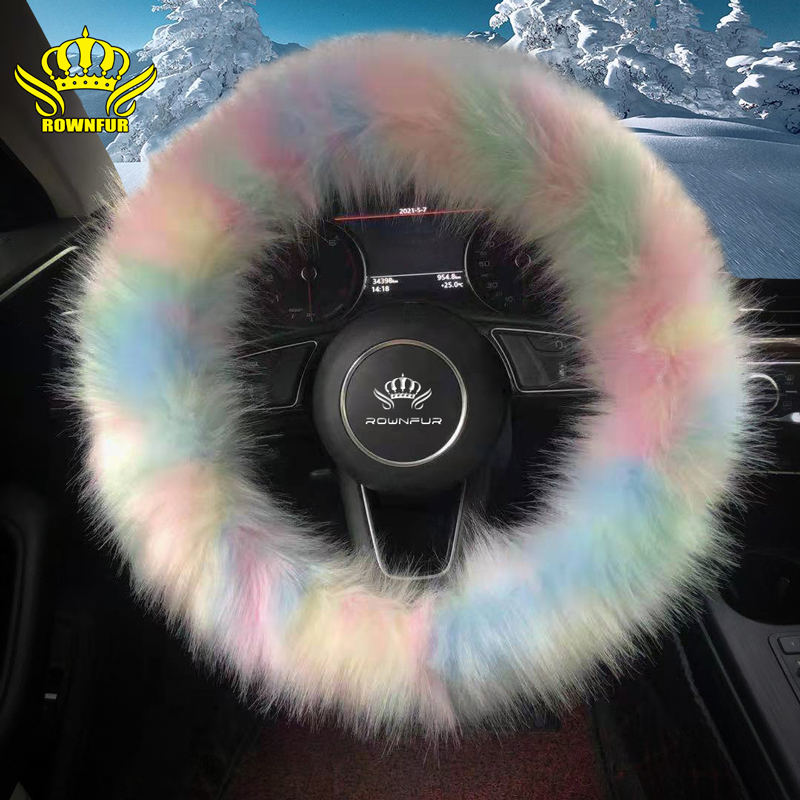
From practical application experience, high-grade artificial mink fur has irreplaceable advantages in fashion design innovation. It supports arbitrary color customization, pattern adjustment and style matching, can be made into luxury fashion coats, home decoration cushions, plush toys, shoe and hat accessories, car interior decorations and holiday crafts. It has delicate gloss similar to top natural mink fur, richer visual layers, and no seasonal restrictions on design and sales. Unlike natural fur with single color and limited style, artificial mink fur can meet diversified trendy design demands, helping products occupy more differentiated market share.
To sum up, selecting suitable high-density artificial mink fabric is not only a choice of raw materials, but also a key decision to control product quality, reduce production cost, comply with market regulations and improve long-term profitability. By accurately grasping hidden quality pain points, distinguishing core performance differences and choosing professional standardized fur materials, manufacturers can effectively avoid quality risks, improve finished product grade and maintain stable and benign cooperative development in fierce market competition.